

If you’re wondering how long does it take to complete driver’s ed and get your driver’s license, the answer depends on three moving parts: the classroom or online course, behind the wheel training with an instructor, and months of supervised driving practice. Here’s what timelines realistically look like across different states and situations.
Key Takeaways
- Most driver education programs require about 30 hours of classroom instruction (online or in person), 6–12 hours of behind the wheel lessons with a certified instructor, and 40–60 hours of supervised driving practice before the driving test.
- In states like Colorado, California, Utah, and Illinois, the driver’s ed course is approximately 30 hours and can be finished in 1–4 weeks depending on the student’s learning pace and course format.
- Behind the wheel training usually spans 6 hours of required wheel instruction, spread across several weeks of scheduled sessions.
- Teens must log at least 50 hours of supervised driving practice in many states, with 10 of the 50 practice hours completed at night.
- From first driver’s education class to obtaining a driver’s license, families should realistically plan for about 3–6 months-or up to a year in states with 12-month permit requirements.
Understanding Driver’s Education Requirements
Driver education is a structured learning process that combines three components: a classroom or online driver’s ed course covering theory, behind the wheel training with a certified instructor, and supervised at-home driving practice with a parent or guardian. States require these pieces to work together before a teen driver can obtain a driver’s license.
Many states mandate a driver education program for new drivers under 18. Teens in Colorado can start driver’s education as early as 14 and 6 months, and can then apply for a permit at age 15. Students can take their written permit test after completing their required drivers’ education course. In Utah, driver’s ed is mandatory for applicants aged 15–18. California and Illinois enforce similar requirements.
A typical driver education course covers traffic laws, road signs, defensive driving techniques, and risk management. The driver’s ed course, behind the wheel lessons, and practice hours-each have state-set minimums, so how long driver’s ed takes will vary based on where the student lives.
How Long Does the Classroom or Online Driver’s Ed Course Take?
Most states set the classroom or online driver’s ed course at 30 hours. Colorado’s standard driver’s ed course is 30 hours long. California requires the same 30 hours of classroom driver education, whereas other states hover between the 30–36 hour range.
Online driver’s ed courses typically take 2 to 4 weeks to complete. Most students complete online courses in a 2 to 4 week window, while some online courses can be finished in less than a week if a student dedicates several hours daily. However, keep in mind that pace isn’t realistic for everyone. Self paced online instruction uses built-in timers, and gated quizzes so students are positioned to spend the full 30 hours on content, in order to help them retain it better.
Classroom driver’s ed can take 3 to 6 weeks to complete when offered in person. In-person driver’s education classes at a driving school typically meet for 2–3 hour sessions several times per week. These schedules work well for younger students who prefer structured learning but do extend the overall timeline.
State-approved driver education programs must cover specific topics-traffic laws, signage, accident prevention, and substance awareness-to prepare students for both the written test and the eventual road test.
Behind the Wheel Training: How Long Do Lessons Take?
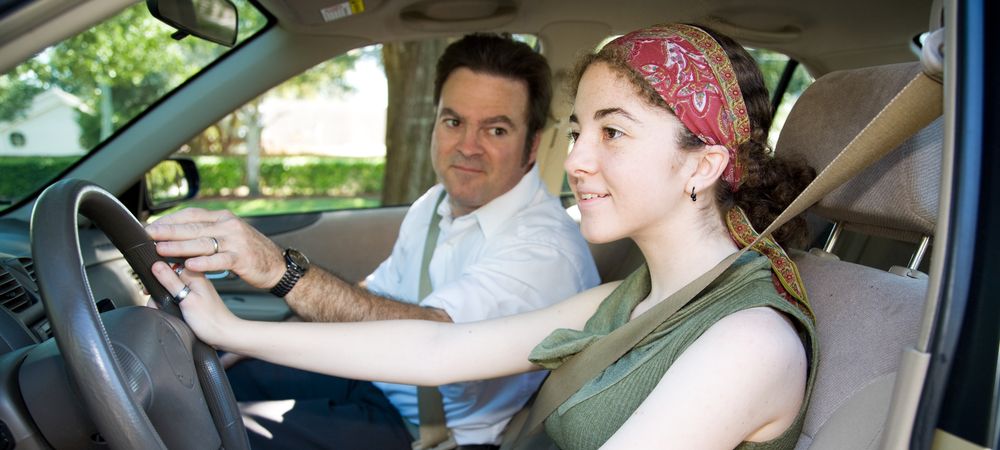
Behind the wheel training gives students hands-on driving lessons in a dual-control vehicle with a licensed driving instructor. This is where students learn real-world skills that online instruction alone can’t replicate.
Students must complete at least 6 hours of behind-the-wheel training in many states, including Colorado. Some programs offer 8–12 hours for students who want extra practice. Behind-the-wheel training typically takes 3 to 6 weeks to finish because driving lessons are usually scheduled in 1–2 hour sessions. Many schools spread training over several weeks on purpose in order to give students time at home to practice and build their skills in between lessons.
What’s covered during behind the wheel lessons:
- Neighborhood and city driving
- Lane changes and intersections
- Parking (parallel, perpendicular, angled)
- Highway merging and exits
- Emergency maneuvers and braking
Adults may not always be legally required to complete behind the wheel lessons, but many choose them to build confidence before the license test. A trusted driving school can make a significant difference in how well prepared a new driver feels.
Required Practice Hours: Supervised Driving Time Outside of Lessons
Supervised driving practice is separate from formal behind the wheel lessons but equally critical. These hours are logged with a parent, guardian, or licensed adult-not a paid instructor.
In Colorado, teens must log at least 50 hours of supervised driving practice, and 10 of those hours must be at night. Illinois requires the same 50 hours with 10 at night. Utah requires 40 hours (10 after sunset). California mirrors Colorado’s numbers.
Families often spread these practice hours over 3–6 months, mixing driving conditions:
- Weekday commutes and weekend errands
- Nighttime and low-visibility drives
- Highway, rural, and heavy-traffic routes
- Rain and other challenging weather
Exceeding minimum required practice hours often leads to a smoother driving test and a safer first year behind the wheel.
The Full Timeline: From First Class to Driver’s License
In many states, the full path from starting a driver education course to passing the driving test takes about 3–6 months for a typical teen. In states with longer permit requirements, expect closer to a year.
Here’s a realistic timeline for a 15–17 year old in Colorado: complete the 30-hour driver’s ed course in about a month, pass the written permit test, then spend the next several months logging professional behind the wheel lessons and 50 home practice hours. Driver’s education programs in Denver typically take 1 to 2 months to complete the coursework phase alone. Learner’s permits must be held for at least 12 months before getting a driver’s license in Colorado.
Colorado’s new GDL requirements will be fully enforced in January 2027, which will likely impact some of these timelines. Age matters too; states with 12-month permit-holding periods (Colorado, Florida, Georgia) push the timeline toward a full year for younger teens.
Factors like school schedule, sports seasons, work, family availability, and weather all affect how quickly students complete the learning process.
How Much Time Should Families Really Plan For?
Think in calendar months, not just course hours. The full driver’s education process includes the 30-hour education course, permit test, behind the wheel lessons, 50–60 hours of logged supervised practice, and the final driving test.
Three realistic scenarios:
- Highly motivated teen starting early – finishes the online course in 2 weeks, begins driving practice immediately, completes everything in about 3–4 months (where state minimums allow).
- Typical student – balances school and activities, takes 4–6 months from first class to road test.
- Busy student or adult – limited schedule, longer permit-hold states, may need 6–12+ months.
Colorado offers a 4-hour Driver Awareness course for those aged 15½ to 16 instead of the full 30-hour course, which can shorten the classroom phase for some teens. Starting driver’s ed as soon as you’re eligible prevents last-minute rushing before college or work deadlines.
Online vs. In-Person Driver’s Ed: How Delivery Format Changes the Timeline
Online driver’s ed courses can be completed at your own pace. Students can log in to online courses whenever convenient, and online education allows students to balance school and activities without fixed class times. Many teens choose this format because it fits around busy schedules.
In-person driver’s education classes follow fixed schedules-typically meeting several times per week over 3–6 weeks. Both formats must meet the same state-mandated hours and topics. The difference is flexibility.
Many families start with an online driver’s ed program for the theory portion, then schedule behind the wheel lessons with a local driving school separately. Most online course platforms use chapter modules, quizzes, and practice tests to keep students on track.
Factors That Speed Up or Slow Down Your Driver’s Ed Timeline
The legal minimum hours are fixed, but the real-world timeline depends on the student and family. Here’s what moves the needle:
- Student factors: motivation, daily study time, comfort behind the wheel, learning style, and prior road awareness
- Schedule factors: school load, sports, part-time jobs, instructor availability, seasonal weather, and daylight hours
- Regulatory factors: minimum permit-holding periods, age-based rules, and whether the state requires a driver education course before the written permit test
A student who studies 1–2 hours per day completes the 30-hour course in about 2–3 weeks. A busy student logging time only on weekends could stretch that same course to 6+ weeks. All completed coursework for the permit must be applied within 180 days before it expires, and state regulations allow online coursework to be finalized within 6 months-so don’t let your progress go stale.
Tips for Staying on Track and Finishing Driver’s Ed Efficiently
Driver’s education is a big milestone, but it’s manageable with basic planning. Here’s how to keep the learning process moving:
- Set a weekly schedule to reserve specific days for online driver’s ed, and block time for behind the wheel practice.
- Use a checklist to track each module, quiz, behind the wheel lesson, and practice-hour milestone (first 10 hours, first night drive, first highway drive).
- Take regular practice tests during and after the driver’s ed course to speed up permit and driving test preparation. Students learn more effectively when they test themselves frequently.
- Plan varied practice routes – school commutes, grocery runs, evening drives – so practice hours accumulate naturally over time.
- Avoid cramming. Consistent, smaller sessions of driving practice and study are more effective and less stressful than trying to compress everything into the last few weeks before a planned test date.
Families who map out a simple calendar with course deadlines, behind the wheel sessions, and weekly practice drives are far more likely to stay on track.
FAQ: Common Questions About How Long Driver’s Ed Takes
Can I finish driver’s ed in less than a month?
Yes-some students complete online courses in less than a week if the platform is self paced and they dedicate several hours daily. However, state rules still require a minimum permit-holding period and a set number of supervised practice hours before the driving test. Balance speed with retention so you actually understand traffic laws and safe driving habits.
Do adults have to take driver’s ed, and does it change the timeline?
Requirements vary based on state. In Utah, adults 19+ can skip driver’s ed but must hold a permit for 90 days and log practice hours. Adults often move faster because they aren’t subject to age-bound 6–12 month permit holding periods. Even when not required, many first-time adult drivers choose a driver education course and a few behind the wheel lessons to help pass the driving test on the first try.
What happens if I don’t finish my driver’s ed course within a certain time?
Some online driver’s ed providers set course expiration dates-often 6 or 12 months. State permits may also expire if you wait too long to schedule the road test. Check the detailed instructions from your course provider and your state department of motor vehicles so you complete all requirements before deadlines hit.
Can I overlap my driver’s ed course with behind the wheel practice?
Many states allow students to begin supervised driving practice as soon as they pass the permit test, even while still finishing the driver’s ed course. Overlapping course learning with early behind the wheel practice helps students retain information and move through the overall timeline more smoothly.
How do I know if a driver’s ed course will count for my state’s requirements?
Always verify that any online or in person driver’s ed course is explicitly approved by your state’s DMV or licensing agency. Approved driver education programs clearly list the states they serve and provide the official completion certificate. Check state approval before enrolling so every hour you invest counts toward your legal requirements. Students in the Denver metro area should confirm their chosen program meets Colorado’s specific standards.