


Getting your first driver’s permit is exciting. It feels like freedom is right around the corner. But one question trips up almost every new permit holder: if you have a permit, can you drive alone?
The answer is no. Not in any U.S. state, not at any age, and not even for a quick trip to the store. This guide breaks down exactly what a learner’s permit allows, what it forbids, and how to move from supervised practice to legal solo driving as efficiently as possible.
Key Takeaways
Here’s what every permit holder needs to know before turning the key.
- You cannot legally drive alone with a learner’s permit in any U.S. state, regardless of whether you’re 16 or 36.
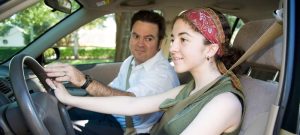
- A supervising licensed driver, usually 21 or older, must sit in the front passenger seat whenever a permit holder is behind the wheel.
- Some states allow limited solo driving only after you upgrade to a provisional, intermediate, or full driver’s license by passing the required driving test.
- Driving alone on a permit carries real consequences, including tickets, fines, permit suspension, and delayed eligibility for your license.
- Always confirm your exact state rules with your local DMV before driving, because permit restrictions vary significantly from state to state.
What a Driver’s Permit Actually Allows (and Forbids)
A learner’s permit (also called a driver’s permit or instructional permit) is the first step toward earning a full driver’s license. It grants you legal permission to practice driving on public roads, but only under direct supervision.
A permit lets teen drivers and new adult drivers get real experience behind the wheel without granting the privileges of a license. You can practice turns, highway merging, parallel parking, and every other skill you’ll need, as long as a licensed adult rides with you.
Permit rules come from each state’s Graduated Driver Licensing (GDL) system, which phases in driving privileges over time rather than handing them all over at once. Every state plus Washington, D.C. uses some version of GDL.
The minimum age for a learner’s permit varies by state but generally falls between 15 and 16. Some states set the floor at 14½ or 15½ under certain conditions. In most states, teens must be at least 15 to apply for a permit.
Common restrictions on a driving permit include:
- A supervising, licensed driver must be present in the vehicle at all times.
- No solo driving to school, work, or anywhere else.
- Time-of-day limits (many states restrict night driving even during the permit phase).
- Passenger rules that cap how many friends or non-family members can ride along.
- Seat belt requirements for every person in the car.
Direct Answer: Can You Drive Alone With a Learner’s Permit?
No. You cannot drive alone with only a learner’s permit in any U.S. state. This is not a suggestion or a guideline; it is the law.
This rule applies equally to teen drivers and adults. Whether you’re 15 or 25, a learner’s permit always requires a licensed driver in the vehicle with you. Permit holders must be accompanied by a licensed adult who is 21 years or older and seated in the front passenger seat, ready to provide instruction or intervene if necessary.
A common source of confusion is the difference between a permit and a provisional license. A permit is not a license. It does not authorize you to legally drive without supervision under any circumstances. Only after you progress through the GDL stages and earn at least a provisional or full driver’s license can you drive alone, and even then, restrictions may apply.
If you get caught driving solo on a permit, you face serious consequences:
- Traffic citations and fines
- Possible court appearances
- Suspension of your learner’s permit
- Delayed eligibility for obtaining your driver’s license
- Insurance complications if an accident occurs while you’re violating permit rules
Think of it this way: a permit is your training pass, not your freedom pass. The freedom comes with the license.
Driving Alone With a Permit at Different Ages (Teens vs. 18+)
Your age affects how you obtain a permit and which steps you must complete, but it does not change the fundamental rule. No permit holder, regardless of age, may drive alone.
Teen Drivers (Under 18)
For minor drivers, the path is structured and specific. Teens typically must:
- Pass a written test covering traffic laws and road signs.
- Obtain a learner’s permit and hold it for a mandated period (often 6 to 12 months).
- Complete a set number of supervised driving hours, commonly 50 hours with at least 10 hours at night.
- Have a parent or legal guardian sign the permit application and related documentation.
During this entire permit phase, teens cannot drive alone, not to school, not to practice, not anywhere.
For example, in Colorado, minor permit holders must hold an instruction permit for a full 12 months, complete 50 hours of supervised drive time (including 10 at night), and be supervised by a licensed driver aged 21 or older in the front seat at all times. You cannot drive alone with a learner’s permit in Colorado until you’ve passed the road test and obtained a minor driver’s license.
Adult Permit Holders (18 and Older)
Adults who are new to driving may skip certain teen-specific requirements like driver education courses. However, even an adult permit holder still cannot drive alone. The supervision requirement applies until you pass the driving test and receive a license.
Even at 21 or older, having only a permit means you still need a supervising licensed driver whenever you are behind the wheel. Age does not override the law.
Common Situations: School, Work, and Night Driving With a Permit
Many permit holders want to know about specific real-life scenarios. Can you drive yourself to school? What about a part-time job? What about after dark?
Driving to School or Work
With a learner’s permit, you cannot drive to school or work alone. Driving to school alone is not allowed with a learner’s permit in any state under standard permit rules. A licensed adult must ride in the front seat with you, even if the trip is only a few blocks.
Some states later allow unsupervised trips to school or work, but only after you’ve upgraded to a provisional or intermediate license and met the required age and practice requirements.
A handful of states offer hardship licenses or restricted permits for situations where there is no public transportation or a documented family hardship. These are separate documents from a standard learner’s permit, they come with strict criteria, and they are the exception rather than the rule.
Night Driving
Curfew rules and night driving restrictions usually apply at the intermediate license stage, not during the permit phase. Once you earn your provisional license, you might face restrictions like no driving between midnight and 5 a.m. during the first year. During the permit phase, driving at night requires additional logged hours but must still be done with supervision.
No cellphone usage is allowed while driving with a learner’s permit, and cell phone usage is completely prohibited for drivers under 18 in most states, day or night.
Check your state’s DMV website for exact restrictions on school commutes, work commutes, and night driving once you move beyond the permit stage.
From Learner’s Permit to Driving Alone: Steps to Your Driver’s License
The journey from permit to solo driving follows a clear path. Here’s the typical progression:
Written Test → Learner’s Permit → Supervised Practice → Driving Test → License → Legal Solo Driving
Step 1: Pass the Written Test
You’ll study your state driver’s handbook, take practice quizzes (many are available online), and pass the knowledge exam at the DMV or at a local state-approved driving school. In some states, depending on your age, you may be required to first complete a driver’s education course before being allowed to take the permit test. Once you pass the permit test, this earns you the learner’s permit. Identification documents must include a birth certificate or passport, and a parent or guardian must sign an affidavit of liability for minors applying.
Step 2: Complete Supervised Driving
With permit in hand, you begin logging supervised driving hours. Teens must log 50 hours of driving practice to obtain a license, with a portion of those hours at night. Some states like Pennsylvania require as many as 65 hours, including practice in inclement weather.
All practice must be done with a supervising licensed driver in the front seat. Many families supplement parent-supervised practice with behind the wheel training through professional driving schools, where a certified driving instructor guides practice sessions.
Step 3: Pass the Driving Test
Once you’ve met all supervised driving hours and other requirements, you schedule a road test with the DMV or an approved third-party tester. You’ll need to demonstrate safe driving skills in a properly insured and registered vehicle.
Step 4: Receive Your License
Once you pass, you receive a provisional, minor, or full driver’s license depending on your age and state. At this point, you may legally drive alone, though GDL restrictions (passenger limits, night curfews) may still apply for younger drivers.
The entire process, from permit issuance to license, typically takes 6 to 12 months for teens and can be shorter for adults.
State-by-State Differences: Examples of Permit and Independent-Driving Rules
Every state sets its own minimum age, permit duration, and independent driving rules. Here are four examples that illustrate the variation:
- California: Teens can obtain a learner’s permit at age 15½. They must hold it for at least six months and complete behind the wheel training before taking the driving test. After passing, they receive a provisional driver’s license with restrictions on passengers and nighttime driving. Independent driving is not permitted during the permit phase.
- Texas: Teen permit holders must hold the permit for a minimum of six months with supervision. Only after completing the course requirements, passing the driving test, and receiving a provisional license may they drive alone during allowed hours. Adult learners follow a streamlined process but still cannot drive alone on a permit.
- Florida: Permit holders may only drive with a licensed 21+ driver in the car. After completing required supervised driving hours and meeting age milestones, the driver can move to an intermediate license stage that allows limited unsupervised driving.
- Colorado: Minors must hold an instruction permit for 12 months, log 50 hours of supervised driving with 10 of those at night, and pass the road test before they can obtain a minor driver’s license. If between the ages of 15 and 16½, you must also tack on 6 hours of professional driving instruction during your permit holding period, before being eligible to take the license test. There are no shortcuts or exceptions to driving alone either.
| State | Permit Min. Age | Permit Hold Period | Supervised Hours | Solo Driving Allowed on Permit? |
|---|---|---|---|---|
| California | 15½ | 6 months | Behind the wheel training required | No |
| Texas | 15 | 6 months | State-required course | No |
| Florida | 15 | 12 months | 50 hours (10 at night) | No |
| Colorado | 15 | 12 months | 50 hours (10 at night) | No |
The answer is the same across the board: you cannot drive alone with a permit in any state.
Safety and Legal Risks If Driving Alone With Only a Permit
GDL rules exist because they save lives, not because they create paperwork. Research from the CDC shows that teen drivers aged 16 to 19 are roughly three times more likely per mile driven to be involved in a fatal crash compared to older, experienced drivers. Supervised driving requirements are one of the most effective tools for reducing that risk.
Driving alone with only a learner’s permit is considered unlicensed or improper driving. Consequences include:
- Traffic citations and fines that vary by state
- Suspension or revocation of your permit and driving privileges
- Court appearances, especially for minor drivers
- Extended timelines for obtaining a full driver’s license
- Denied insurance claims if an accident occurs while you’re driving illegally
All passengers in the vehicle must wear seatbelts at all times, and permit holders must wear seatbelts while driving. These are not optional. Violations add to the risk and the potential legal trouble.
The permit stage is a security measure, not a punishment. It protects you and everyone else on the road. Treat your supervised practice seriously, and you’ll be prepared and confident when you finally take the driving test. The road test itself serves as that security check — it’s how Colorado verifies you’re ready for the responsibility of driving on your own.
Resources like your state’s DMV website and page for new drivers provide everything you need to stay on the right side of the law. A security service like the GDL system, while sometimes frustrating, is designed to protect new drivers from the very real dangers of inexperience.
There are no shortcuts to earning your driver’s license. No workaround, no generated bypass — the only way through is doing the work, passing the test, and earning it. Think of it like a website’s security verification: the system exists to filter out those who haven’t proven they belong there. The road test works the same way.
FAQ: Driving Alone With a Permit
Below are answers to common questions that weren’t fully covered above. Each one addresses a specific scenario permit holders frequently ask about.
Can I ever legally drive alone with a learner’s permit if I’m over 21?
No. Age does not change the basic rule. A learner’s permit always requires a supervising licensed driver in the vehicle, regardless of whether you are 17 or 47. Even at 21 or older, you must pass the driving test and receive a full driver’s license before you can legally drive alone. The permit phase is a supervised training period at every age, and no state offers an exception to this rule for adult permit holders who have not yet passed their road test.
Is there any special permit that lets me drive alone just to school?
A standard learner’s permit does not allow solo trips to school under any circumstances. However, a small number of states offer limited hardship licenses or restricted permits for rare situations, such as when a person has no access to school transportation or faces documented family hardship. These permits are entirely separate from a normal learner’s permit and require meeting strict criteria, including additional documentation and often a guardian’s involvement. They are prohibited from being used for general driving and come with tight restrictions on schedule, distance, and purpose.
What happens if I get caught driving alone with only a permit?
You can expect a traffic ticket, fines, and potentially a court appearance. Your learner’s permit may be suspended, and the timeline for obtaining your driver’s license could be extended. If you’re involved in an accident while driving alone on a permit, your insurance may deny the claim entirely. Penalties and points vary by state and by whether the person is a minor or an adult. The risk simply isn’t worth it.
Can my supervising driver sit in the back seat while I drive on a permit?
In most states, no. The supervising licensed driver must sit in the front passenger seat so they can provide immediate assistance, take over the wheel if needed, and give real-time instruction. Having a supervisor in the back seat does not satisfy the legal requirements for permit supervision. The law is specific about this for a reason: a person in the back seat cannot grab the wheel or reach the brake in an emergency.
Does my supervising driver need a certain type of license or a clean record?
Most states require the supervising driver to hold a valid, unrestricted driver’s license and be at least 21 years old. Some states specify that the supervisor must have held their license for a minimum of one to three years. While not every state explicitly checks driving records for supervision eligibility, choosing a supervisor with a clean record and real driving experience is strongly recommended. A qualified driving instructor from an accredited course also meets supervision requirements and can provide professional behind the wheel training that complements what a parent or guardian teaches at home.
The permit stage can feel like a long wait, but it’s temporary. Follow the rules, complete your driving hours, practice at night, and schedule your driving test as soon as you’re eligible. Every hour of supervised practice gets you closer to the freedom of driving alone with a real license in hand. Check your state DMV’s online resources to confirm exact requirements, and stay prepared for the road ahead.