

Spring is officially here, meaning that lush, vibrant foliage will soon emerge from the current barren landscape. 2020 was full of uncertainty due to the Covid-19 pandemic, but with the dreariness of winter drifting out of sight and the surge of vaccines continuing to roll out, the upcoming spring and summer season is predicted to be a breath of fresh air.
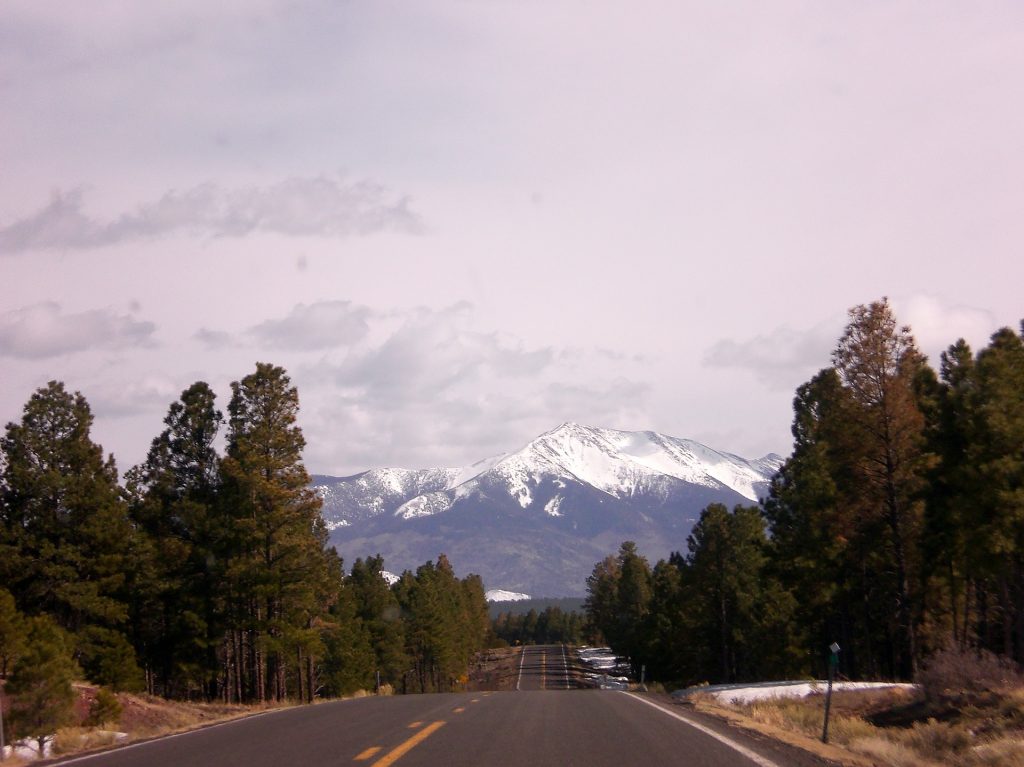
Taking scenic mountain drives and embarking on exciting adventures in the Rockies are popular pastimes in Colorado, and after a tough year of feeling cooped up, it won’t be surprising if even more drivers than usual head to the hills to embrace the natural beauty.
While driving in the mountains is often a serene experience, there are a few unique challenges and safety measures that are important to keep in mind. If you plan to hit the road and visit the mountainous terrain yourself, here are a few tips to keep in mind:
Keep Your Vehicle Well-Maintained
It’s always important to keep your vehicle properly maintained, but steep inclines and declines can be especially hard on certain automotive functions. Before you head out for a big trip, make sure your vehicle is in good condition, paying special attention to the brakes, engine, battery, fluid levels, windshield wipers, heater, and tire condition. If you are not mechanically inclined yourself, it may be a good idea to take your vehicle in for a professional inspection.
Brake Mindfully
Riding the brakes down a steep decline can cause them to overheat, which is dangerous for you and anyone else on the road. Instead, it’s better to shift to a lower gear before descending and gently tap your brakes as needed as you continue downhill.
Pay Attention to Your Engine Temperature
Steep inclines can cause your engine to heat up, so keep an eye on your engine temperature gauge. If you do notice your engine is getting concerningly hot, turning off your air conditioning and rolling down your windows can help cool it off. If that doesn’t help, you can pull over and let the engine idle for a moment to help lower the temperature.
Stay Updated on Incoming Weather Conditions
The weather in the mountains can be vastly different than the weather in low-altitude locations, so be sure to look up expected weather conditions for the areas that you plan to travel to and through. Snowstorms and slick roads in springtime are not uncommon in Colorado, and this is especially true for the mountains where inclement weather can sneak up on you quickly. Taking the time to research what Mother Nature intends on doing can help you adequately prepare for your road trip or even help you decide if it’s best to reschedule it for a time when the weather is more favorable. Additionally, this website can help you track travel alerts and road conditions in Colorado.
Fuel Up
Driving up steep inclines uses more fuel than driving on straight or downhill roads, so always be sure to fill up your gas tank before you venture too far. Additionally, towns and gas stations can be few and far between when you get high up in the hills, so take advantage of any opportunity to top off. Generally speaking, it’s a good idea to keep your tank filled at least halfway at all times.
Yield to Vehicles Driving Upward
When you get deep into the mountains, you may run into narrow, single-lane roads. When two vehicles approach each other on these roads, the driver going downhill must yield to the driver moving uphill by reversing and carefully pulling off to the side so that the other party has enough room to pass. This is because it’s much more difficult for the uphill driver to reverse, stop, and get moving again.
Be Careful Around Steep Turns and Blind Corners
Avoid hugging the centerline when driving on winding roads, as this can be especially dangerous if a vehicle coming from the other direction is also hugging the center. If you are driving on a single-lane mountain road and come across a blind corner, drive slowly and continuously honk your horn. If another driver is traveling in the opposite direction and also approaches the corner, this can let him/her know that you are there and help prevent a collision.
Watch for Wildlife
While it is always important to be focused on the road while driving, the mountains come with unique hazards that generally don’t appear in cities. Wildlife such as foxes, bears, mountain lions, and particularly elk and deer have been known to wander out into the middle of the road, especially during the hours between dusk and dawn. By slowing down and glancing ahead to the upcoming road and shoulders, you’ll give yourself more time to spot an animal. Additionally, using your high beams if there is no oncoming traffic can give you better visibility on dark roads. Wildlife crossing signs are good reminders that wildlife could be lurking about, but it’s important to take precautions anytime you are driving in the mountains. Also, remember that elk and deer often travel in groups, so if you stop and allow one of these animals to cross, it’s a good idea to wait a moment to see if any others are following.
Bring an Emergency Kit
Taking in the natural wilderness is part of the allure of escaping to the mountains, but the spotty cell phone reception, along with the lack of people and bustling businesses, means that it’s especially important to be prepared for an emergency. Keeping an emergency kit in your vehicle at all times can help provide peace of mind that you will be able to better handle any potential obstacles that come your way.
Emergency car kits often include:
- Flashlights/headlamps
- Batteries
- Extra cell phone charger
- Jumper cables
- Spare tire
- Car jack
- Toolkit
- First aid kit
- Non-perishable food
- Water (Hydration is always important, but high altitude can dehydrate the body quickly).
- Ice scraper
- Emergency space blankets
- Change of clothing/warm layers
- Sand or cat litter (This can help you create traction.)
- Physical map of the area
- Sunscreen
- Windshield washer fluid
- Reflective triangles (to help you be more visible to oncoming traffic)
- Radio (Finding one that is battery-powered or works by being hand-cranked can help you stay updated on changing weather and road closures if you aren’t able to use your car radio or phone.)
- Emergency communication device (such as a satellite messenger or personal locator beacon)
Closing Up
Taking a springtime drive to the mountains is a great way to bask in the beauty of the great outdoors, but it’s important to do so in a way that minimizes any risk factors. Hopefully this information sheds some light on how to stay safe while enjoying the majestic mountains in Colorado and beyond. Driving on narrow, winding roads can take some getting used to, but if you plan ahead and take proper precautions, your venture to the hills should be both serene and secure.
Learn Precision Driving Skills with DriveSafe’s Defensive Driving Class!
Between harsh road conditions, smaller lanes, and the unpredictability of nature, learning how to drive safely in the mountains requires strong precision skills, hazard avoidance, and basic car maintenance abilities. Regardless of your level of experience as a driver, a defensive driving class can help you advance your current skill-set so that you are better prepared to handle any unexpected encounters on the road.
DriveSafe has helped thousands of students become cautious, competent motorists. Whether you’re in search of a defensive driving course, private driving lessons, or comprehensive drivers ed packages, we can help! Browse our services to see which program is best for you, or get in touch with any questions you may have. We look forward to hearing about your behind-the-wheel goals!